
At Summit Dog and Cat Hospital in Summit, NJ, we know how frightening it can be to discover that a pet may have ingested something toxic. As a trusted animal hospital, our role is to act quickly, accurately, and compassionately when pets are exposed to poisons. Whether the toxin comes from food, plants, medications, or household products, prompt care from an experienced veterinarian can make a critical difference.
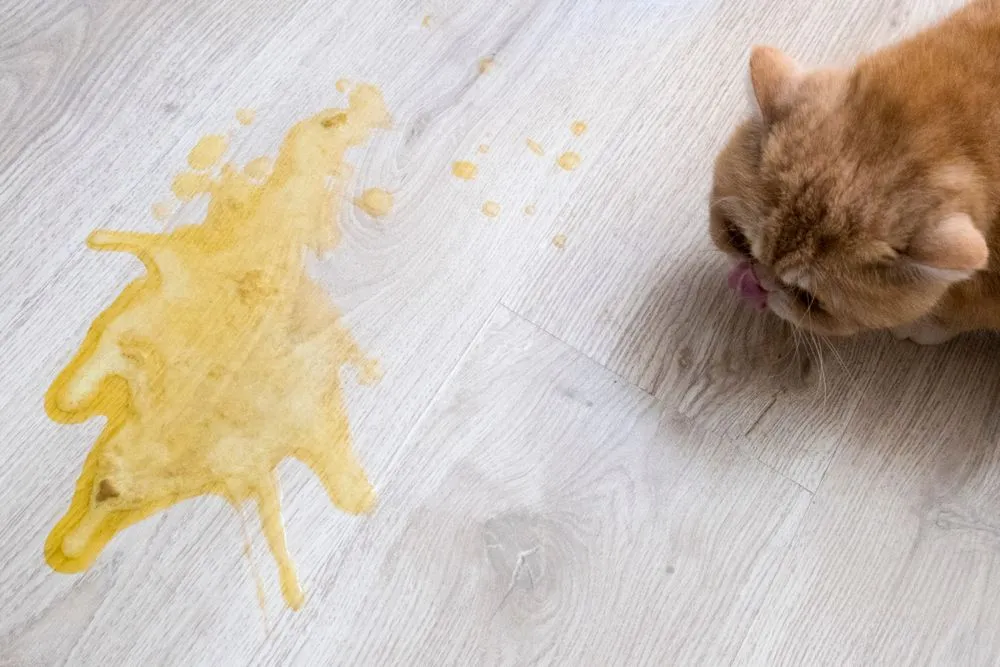
Common Sources of Pet Poisoning
Pets are naturally curious, which makes accidental ingestion more common than many owners realize. Toxic exposures often involve chocolate, grapes, human medications, rodenticides, antifreeze, cleaning products, and certain plants. Even small amounts can be dangerous, depending on the substance and the size of the pet. When poisoning is suspected, contacting an emergency vet near you is strongly recommended.
Signs That a Pet May Have Been Poisoned
Symptoms can vary widely based on the toxin involved. Vomiting, diarrhea, drooling, tremors, lethargy, difficulty breathing, or sudden behavioral changes are frequently reported. In some cases, symptoms may be delayed, which is why evaluation at a qualified vet clinic is important even if your pet seems stable at first.
What Happens When You Arrive at Our Animal Clinic
When a poisoned pet is brought to Summit Dog and Cat Hospital, immediate assessment is performed. Vital signs are checked, exposure history is reviewed, and diagnostic tests may be recommended. Treatment plans are tailored to the specific toxin and the pet’s condition. In some cases, inducing vomiting or administering activated charcoal is appropriate, while in other situations, IV fluids, medications, or close monitoring are required.
Why Speed and Experience Are Critical
Toxins can be absorbed quickly into the bloodstream, which makes early intervention essential. Delays may limit treatment options and increase the risk of long-term complications. As a full-service animal clinic, we are equipped to provide supportive care, diagnostics, and ongoing monitoring to stabilize pets during critical periods.
Prevention and Pet Safety at Home
While emergencies cannot always be avoided, prevention plays a key role in pet safety. Keeping medications secured, avoiding toxic foods, and being aware of hazardous plants can reduce risk. Our team is always available to answer questions and provide guidance on creating a safer home environment for pets.
Call for Immediate Help or Schedule Care
Toxin ingestion is a medical emergency that requires prompt attention. Call Summit Dog and Cat Hospital today at (908)-273-2200 to schedule an appointment or seek immediate care, and let our experienced veterinary team provide the support your pet needs.